Data driven productivity: How Elematic Plant Control transforms precast operations
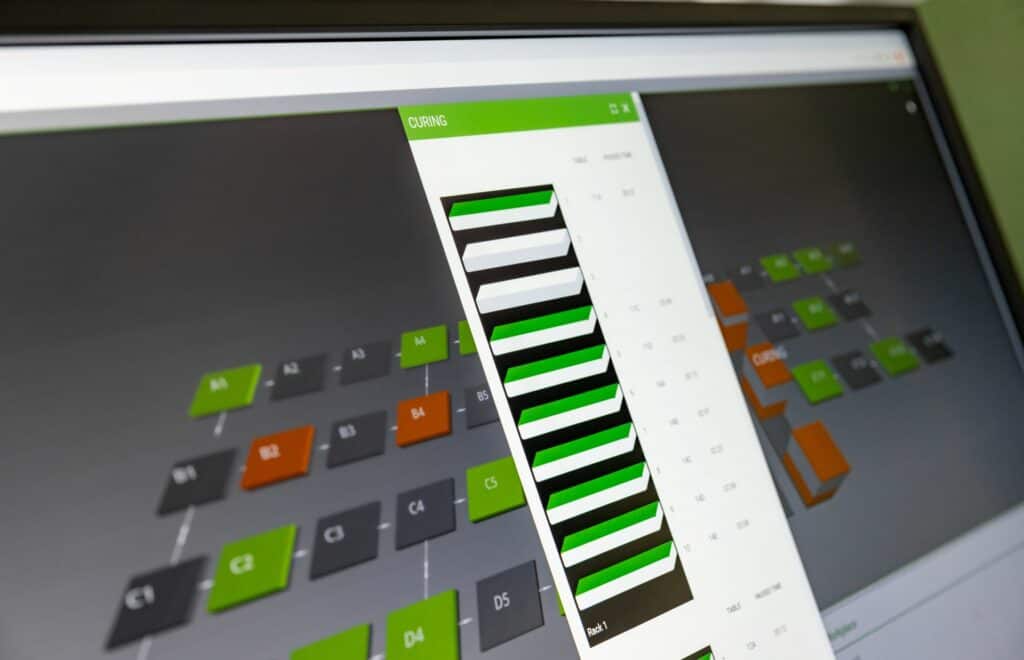
Digitalization is transforming the precast concrete industry at an accelerating pace. As factories generate more data than ever before – from design models and production parameters to machine telemetry – the real competitive advantage lies in how efficiently this information is used. Elematic’s Plant Control software is built precisely for this purpose: to turn data into actionable insight and smarter production decisions.
Artificial intelligence opens significant opportunities for more efficient production control and improved productivity across the construction chain. According to Minna Arola, Software Sales Director at Elematic:
“Artificial intelligence opens significant opportunities for more efficient production control and improved productivity across the construction chain. Where software has traditionally been built to serve general global needs, AI and data now enable far more personalized and optimized solutions for each factory and each project.”
As automation expands in areas such as hollow core slab production and precast wall element manufacturing, the amount of usable data grows alongside it. What factories need now is a system that can make sense of that information and support decisions throughout the production process.
Building a seamless flow of information
The foundation of efficient precast production lies in having reliable data from the very beginning. Accurate BIM models ensure that details such as openings, embeds, reinforcement, and dimensions flow directly into the production system without manual re-entry. When machines, workstations, and planning tools are guided by the same source of truth, errors decrease, and processes become more predictable.
Arola stresses how vital this is:
“If AI—or any automated logic—is trained with unreliable data, production can be disrupted for days. High-quality, consistent data is a fundamental requirement for successful automation.”
Plant Control supports this by connecting the entire chain from design to final elements. It gives the factory a clear, real-time overview of what is happening on the production floor, how each machine is performing, and where potential bottlenecks might emerge. Whether producing hollow core slabs or wall panels, the system optimizes line usage, reduces manual planning, and keeps production flowing with fewer interruptions.
Turning data into practical production benefits
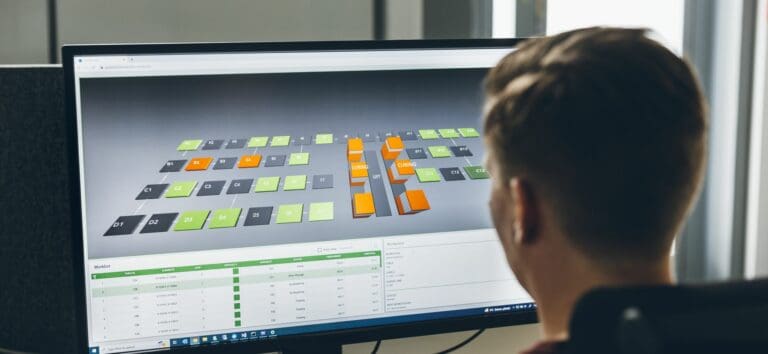
Plant Control gathers information from machines, work steps, storage, logistics, and quality checks into one system. This enables plants to plan and schedule production more accurately, reduce unnecessary handling, improve element tracking, and coordinate deliveries. When automated equipment – such as plotters, extruders, and robotic stations – feeds data directly into the system, the factory gains continuous insight into performance.
Instead of relying on manual tracking or fragmented tools, everyone from planners to supervisors and machine operators can base decisions on the same up-to-date information. This leads to fewer delays, smoother production sequences, and better use of available capacity. Real‑time dashboards turn production data into clear KPIs, helping supervisors spot issues faster and make better decisions on the go.
A more accessible and flexible way to start: Plant Control as a subscription
To make advanced production control easier to adopt, Elematic now offers Plant Control through a flexible subscription model. The software itself remains the same proven solution used globally – only the commercial model has changed, making it easier to start, scale, and maintain.
The subscription model removes the barrier of large upfront investments and replaces them with predictable annual costs. Factories can begin with the modules and user types they currently need and expand as their operations grow or production strategies evolve. Because Plant Control is modular, factories can start with the essentials and expand step by step – from planning and scheduling to full machine control and logistics. Adjustments can be made annually, ensuring the system stays aligned with changing business needs without requiring major reinvestment.
Key advantages of Plant Control as a subscription include:
- Lower upfront cost – eliminates large initial license purchases.
- Predictable budgeting – fixed annual fees simplify financial planning.
- Modular structure – start with core production control and add modules such as: capacity check and quality control
- Role-based user licensing – ensures each team member gets the tools they need, from shop-floor workers to planners and management.
- Scalability – easily add machines, lines, or entire factories as automation increases.
- Continuous updates included – access to all improvements, new features, and security updates without extra contracts.
- Built-in support – helpdesk services included as part of the subscription.
Alongside these benefits, Elematic provides structured project management and guided implementation to ensure a smooth start. From configuration and installation to training and best-practice support, the process is designed to help teams adopt the system quickly and use it confidently in daily operations.
With this subscription model, Plant Control becomes a long-term operational tool that evolves with the factory. As automation grows and new digital capabilities become available, the system adapts without major reinvestment. Factories gain improved visibility, more reliable data, and steadily increasing efficiency over time.
As Arola notes:
“When used wisely, AI and data can save enormous amounts of time—both in production and office work—automating tasks and accelerating processes in ways that were not previously possible.”
By turning data into meaningful actions and supporting continuous improvement, Plant Control enables precast producers to achieve higher productivity, fewer errors, and more predictable outcomes.
Let others enjoy this, too!
Contact us now!
or