Shaping the rail infrastructure with advanced precast concrete sleeper technology
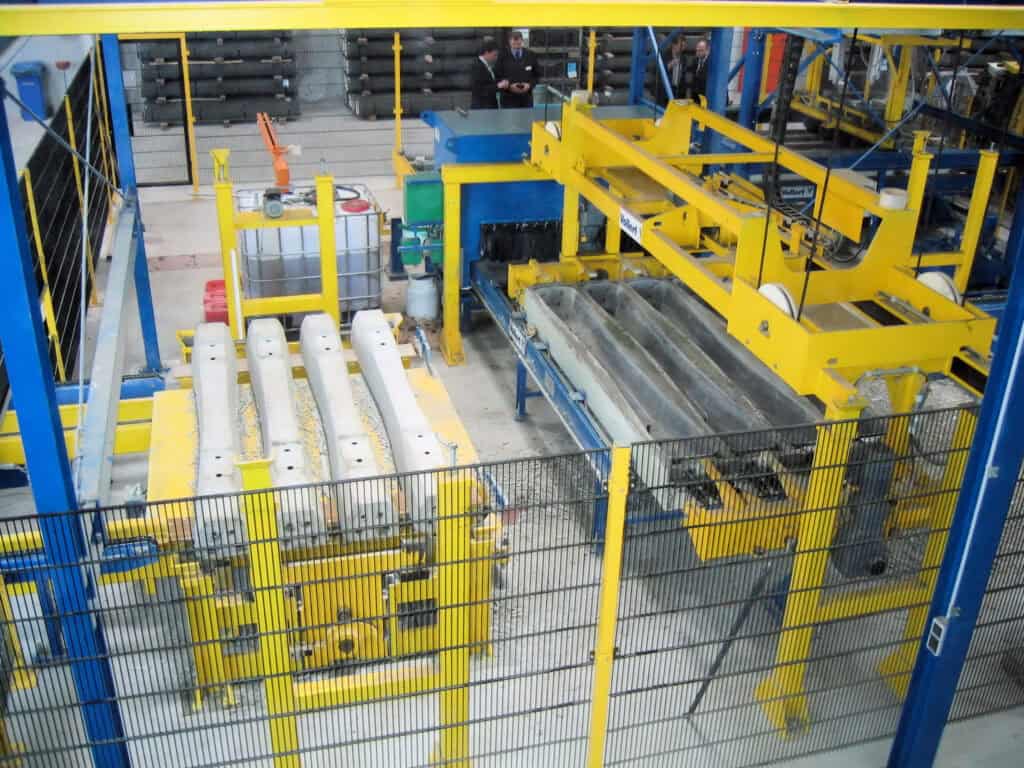
Modern rail networks rely on durable, precisely engineered sleepers – powered by automation, intelligent precast plant concepts and sustainable production.
Railway infrastructure around the world is undergoing rapid expansion, and the demand for reliable, long-lasting track systems continues to rise. Central to this development are railway sleepers – critical load bearing elements that ensure track stability, passenger comfort, and long-term performance.
Over recent decades, precast concrete has emerged as the dominant material for sleeper production, replacing timber and steel in many regions due to its durability, low maintenance requirements, and environmental benefits. The shift has been especially visible in countries experiencing significant infrastructural growth, where large-scale railway projects increasingly rely on advanced concrete sleeper production technologies.
Precast sleepers deliver cost-efficiency and sustainability
Precast concrete sleepers offer compelling advantages that extend beyond their long service life. Industrial precast production enables precise manufacturing, consistent quality, and standardized structural performance – factors that streamline both production and installation. Delivered fully reinforced, prestressed, and equipped with fastening components; these sleepers are installation-ready upon arrival, reducing onsite labor and minimizing project delays. Unlike timber, they require no creosote treatment or recurring maintenance, and unlike steel, they are immune to corrosion. As a result, precast sleepers provide a reliable, low maintenance foundation for tracks.
Sustainability further expands the benefits of precast solutions. Advances in concrete mix optimization, alternative reinforcement materials, and more efficient curing technologies continue to lower CO₂ emissions, enhancing the environmental profile of each sleeper produced. For countries seeking to expand rail networks that connect rural and urban regions, sustainable sleeper manufacturing supports broader national climate objectives.
Circulation technology as the backbone of modern sleeper production
As global infrastructure development accelerates, the sleeper manufacturing industry is transforming rapidly. Traditional, labor-intensive methods are giving way to highly industrialized production models, where circulation technology serves as the core of high output, high-quality sleeper plants.
This performance is driven by a deep understanding of modern mold circulation systems, which have become the global standard in sleeper manufacturing. These systems support a broad range of designs – from monobloc to bi‑block sleepers – and accommodate both late and immediate demolding processes. Their inherent flexibility enables manufacturers to meet diverse regulatory, climatic, and logistical requirements.
“What sets our approach apart is our ability to optimize these circulation systems for each market’s unique needs. Whether the goal is maximum throughput or ultimate durability, we engineer production lines that deliver consistent quality, structural reliability, and long-term operational efficiency. That’s why customers across the world trust these systems as the backbone of modern sleeper manufacturing”. – Steffen Schmitt, COO, Vollert Precast Solutions
Automation and digital control for precision and efficiency
Modern sleeper manufacturing extends far beyond mechanical production. Automation and digital control systems have become essential to achieving the precision, reliability, and efficiency demanded by today’s large-scale rail projects.
Automated reinforcement insertion, precision prestressing procedures, and carefully coordinated concrete applications all contribute to the quality and safety of the sleepers produced. In advanced plants, fully automated tensioning and de-tensioning systems ensure consistent prestress forces, while high frequency vibration technology guarantees homogeneous concrete compaction. Intelligent lifting and turning equipment streamline demolding and curing, ensuring that each sleeper meets strict technical and safety standards before delivery.
Plant-wide control systems integrate logistics, machinery, planning data, and curing processes into a seamlessly coordinated environment. With continuous data flow and monitoring throughout the production process, these systems optimize mould circulation, monitor output in real time, and ensure dependable, on-schedule delivery to project sites. They also support modular scalability, allowing manufacturers to expand capacity if needed.
Building rail networks of the future
The growing global use of modern prestressed concrete sleepers showcases how engineering innovation, industrial expertise, and automated plant technology can reshape an essential component of railway infrastructure. As nations continue to invest in efficient mobility solutions, the role of advanced sleeper production systems is increasingly important. Their ability to combine high output, consistent quality, operational reliability and long-term sustainability ensures that the rail networks of tomorrow are built on a solid and enduring foundation.
To ensure a smooth and successful entry into the sleeper business, we offer comprehensive support covering the entire process. Our expertise extends from the earliest planning stages in an existing facility or green field to full‑scale production and onsite performance.
With over 10 successful reference projects delivered across various markets, we have accumulated extensive practical experience in modern sleeper production technologies. This track record ensures that each new project benefits from proven solutions, validated processes, and long-standing customer trust.
We can support you with:
- Sleeper design – engineering optimized, compliant sleeper structures for your target market.
- Local approval processes – supporting you with regulatory requirements and documentation.
- Concrete mix design – developing and validating the optimal mix to meet durability, strength, and performance standards.
- Production consulting – assisting with plant setup, process optimization, and ramp‑up.
- Onsite employee training – ensuring your team is fully equipped to operate efficiently and maintain consistent quality from day one.
- Lifecycle support – providing preventive maintenance, helpdesk support, operator training, and engineering expertise to ensure long‑term production reliability and maximum uptime.
Ask us about precast sleeper production!
or